Collaborations
Tea is the go-between. We work with artists, restaurant kitchens, and organisations who want to get closer to where the leaves come from — so that what people know and feel about tea can mean something new in a different setting.
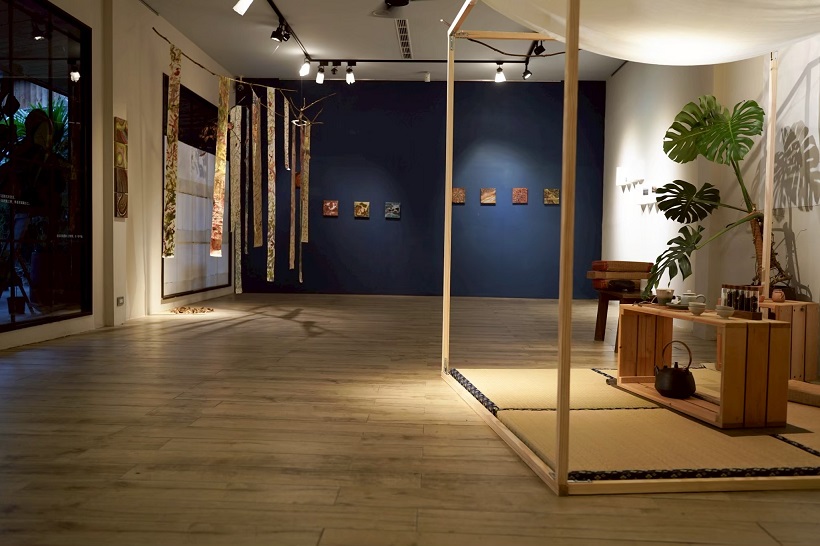
Tea & Art · The tea of two Lu
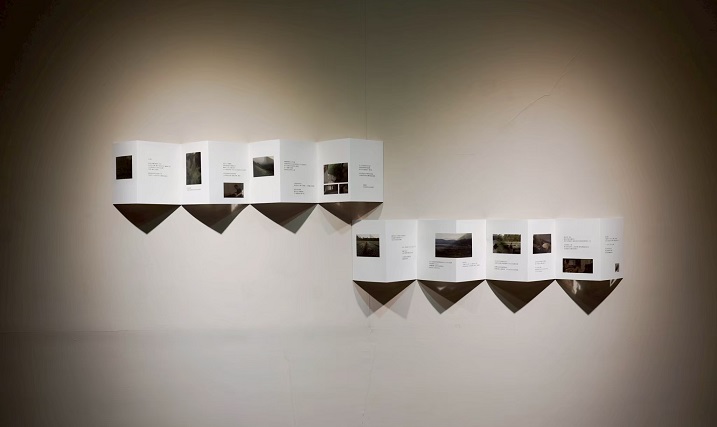
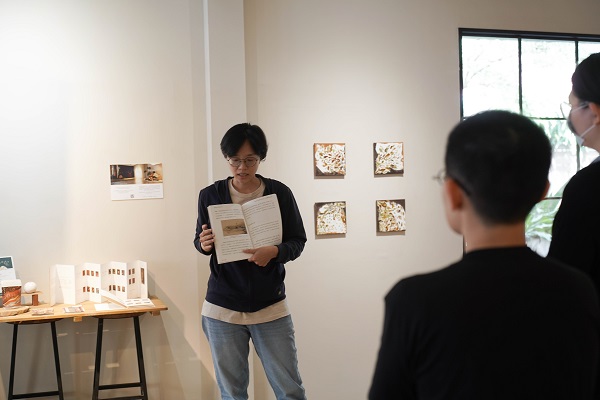
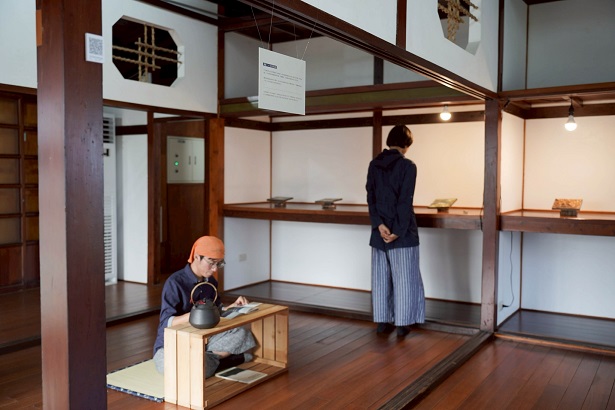
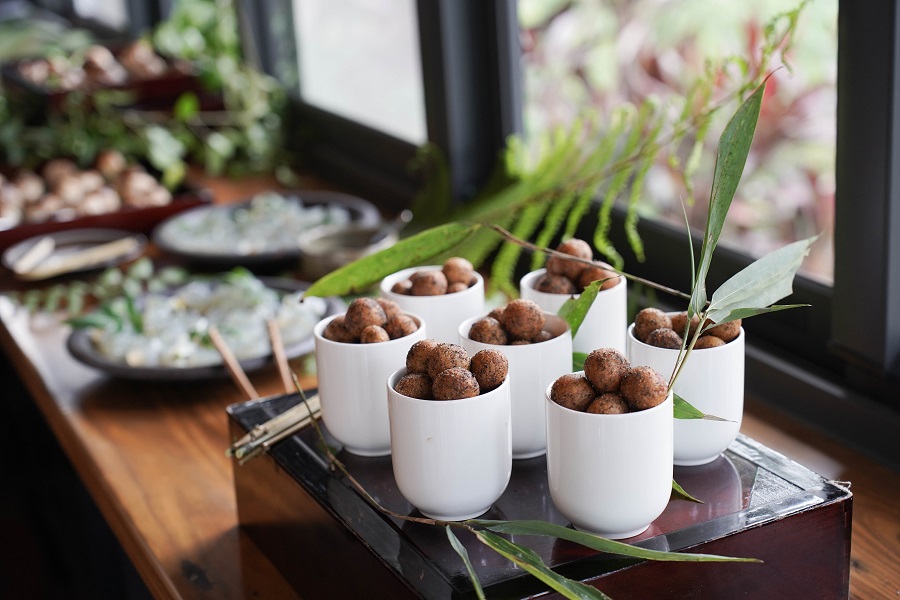
From Lugao in Nantou to Luye in Taitung — exhibitions and cross-field work with tea as the medium, so that what people know and feel about tea takes on a new meaning in each room it enters.


Cross-field collaboration
Design, fine art, curation and installation, tea cuisine, music, and the spaces themselves — more than ten creators and venues made these exhibitions happen.
The three shows

Nantou · Puli
2 – 31 May 2025
Details coming soon
Taipei · Nangang
18 Oct – 9 Nov 2025
Details coming soon
Taitung · Luye
15 Nov – 28 Dec 2025
Details coming soonTea in the kitchen · Co-development
If you have a dish where tea could play a real part — in the broth, the seasoning, the pairing — we bring an understanding of how Nantou's teas taste and how they behave alongside other ingredients, and help you find the right one, or develop the dish with you from there.
Ongoing case
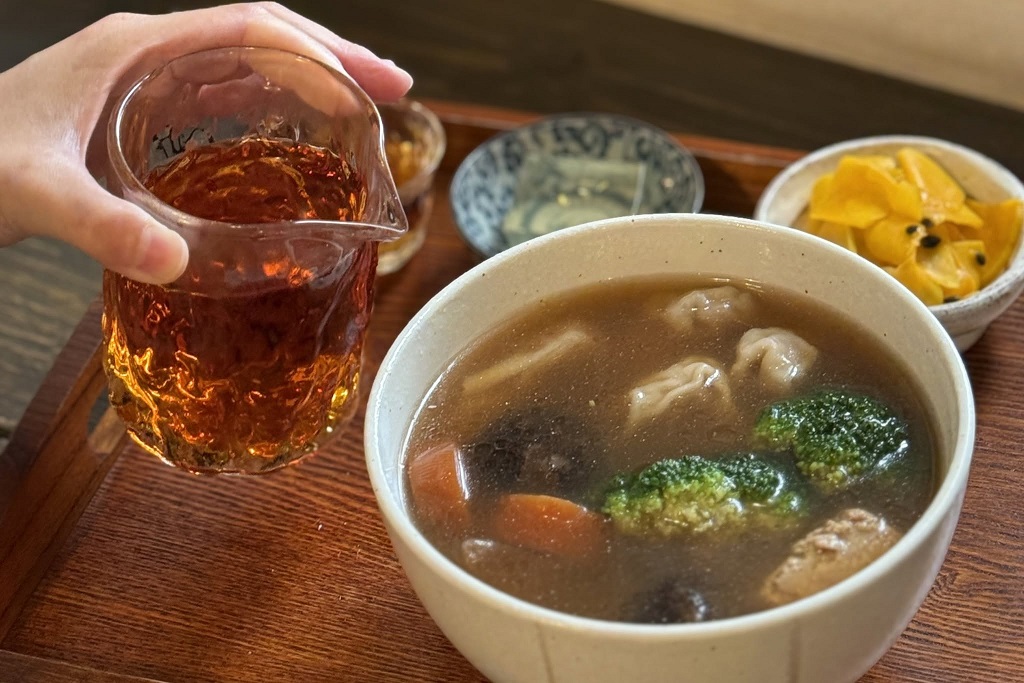
In Puli, Nantou, simplenoodle (山里麵) is a neighbourhood noodle shop known for hand-made noodles and slow-simmered sauces built on a thirty-year family recipe. When the second generation came home, they reworked the shop around naturally grown ingredients from local smallholders.
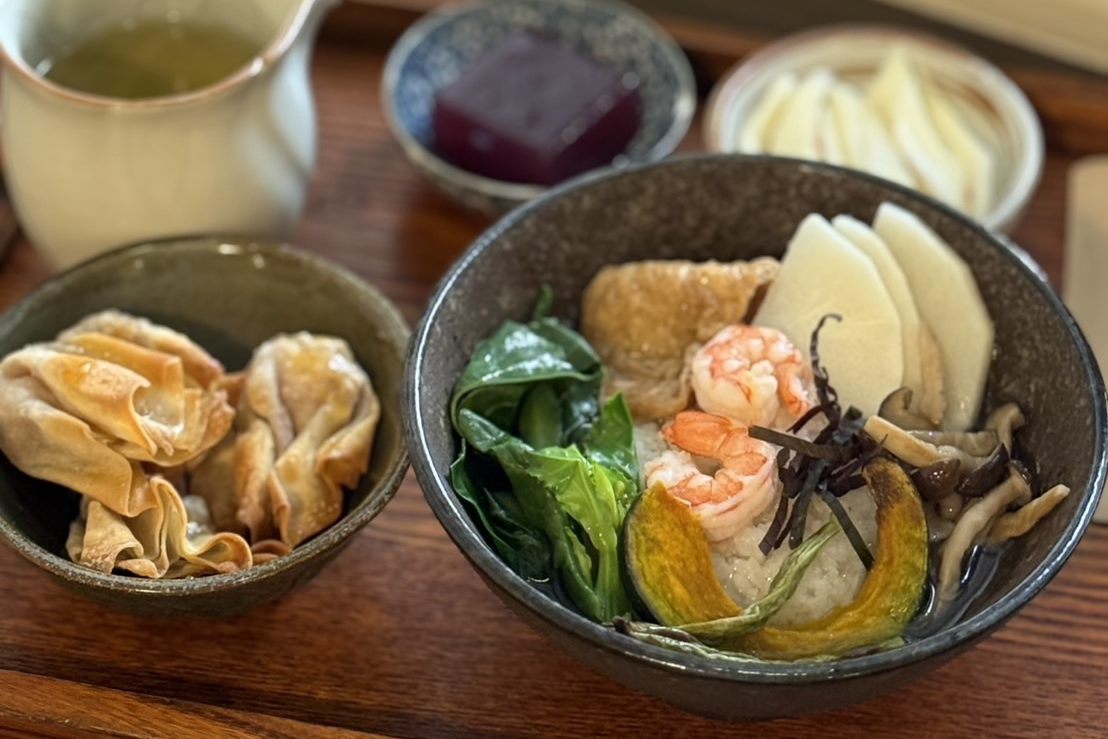
They arrived with a clear idea: put Nantou tea into two everyday dishes, so that tea isn't only the drink that comes with the meal — it can also bring something bright and lively to Taiwanese cooking built on soy sauce and stock.

Lugao blended black tea
A black tea stock gives the whole bowl a clean, bright quality, with a soft note of tea in the finish.

Nantou oolong (qing cha)
Oolong is by far the most common style made in Nantou. With its jasmine and gardenia character, it lightens a savoury broth — and tea-poured rice is one of the best ways to show off the basin's summer produce.
01
Tell us what you're trying to make — the more specific the better: a soup, a dish, a pairing. It helps if we can taste the base version first, so we understand the flavours you're working with.
02
Once we know the direction, we draw up candidates from the teas of Nantou and further afield in Taiwan.
03
We test combinations in different ways, adjusting proportions and brewing method until the pairing — or the dish — works.
※ How the dish is finally presented and plated is the restaurant's call; we can advise on brewing technique and equipment for the tea side.

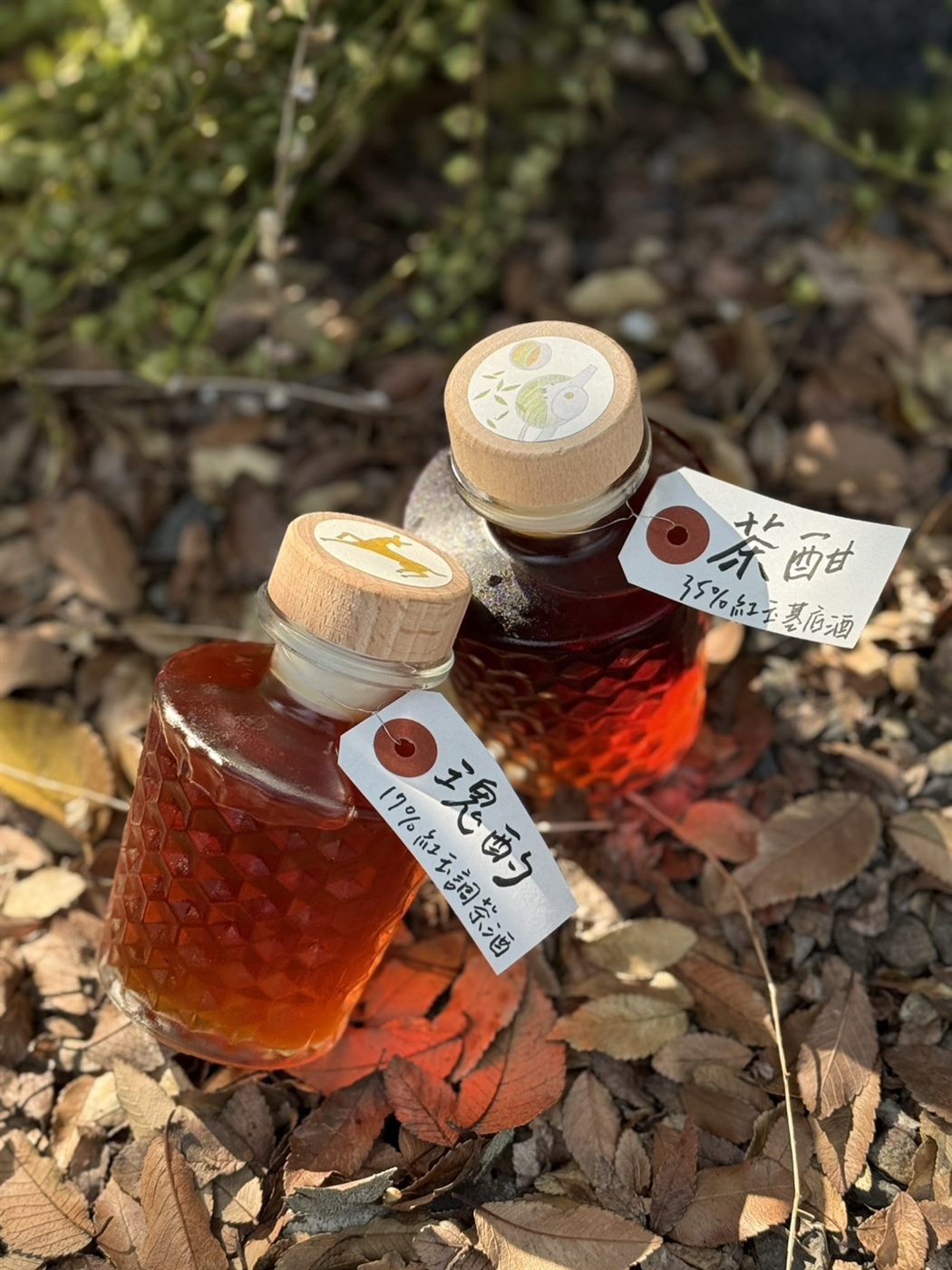
Beyond cooking, tea and spirits are another way to present flavour — and an interesting pairing to play with.
Tea Origin Tasting & Exchange
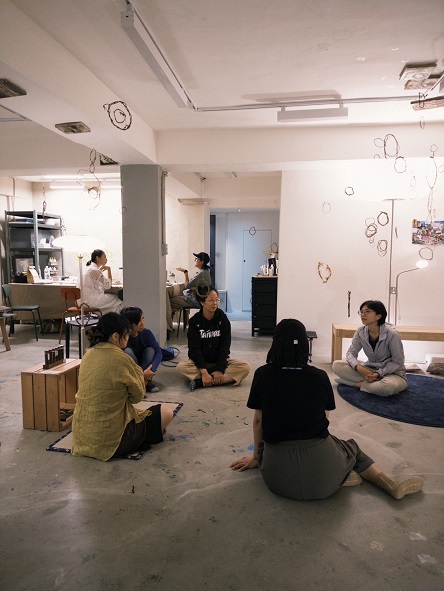
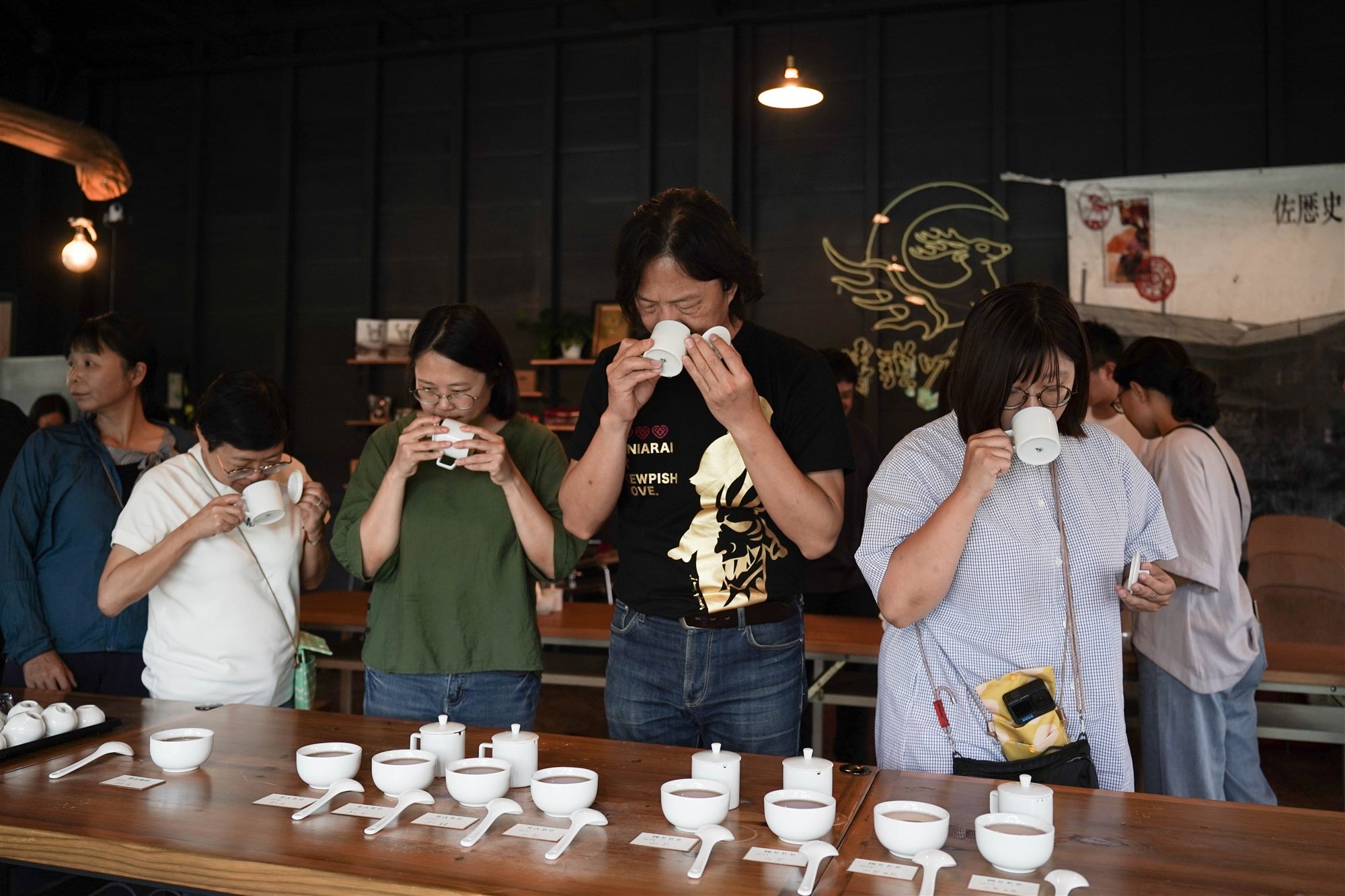
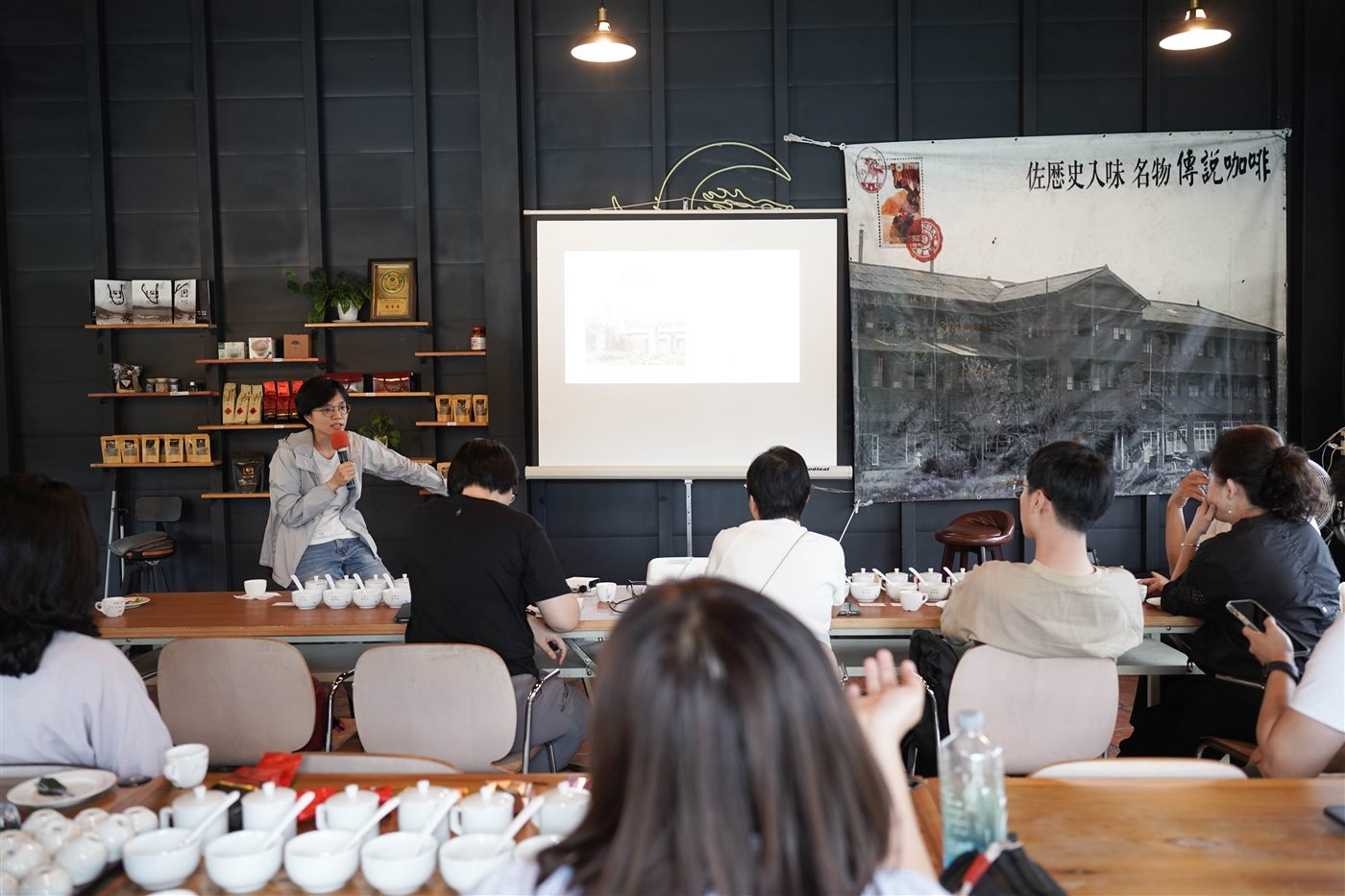
We bring institutions, associations and companies into Lugao. An origin exchange doesn't take only one form — here you can hear how the local industry developed, see how the tea is grown, work through flavour and processing, and then have a chef translate the tea and the local crops onto the table.

Lugao's tea industry rose and fell with Taiwan's and the world's, and that is what has shaped Sun Moon Lake's tea landscape today.
From Taiwan native tea — the island's only native tea species — to the black tea industry of Sun Moon Lake, the island's first modern black tea factory here in Lugao, the revival after the 1999 earthquake, and the flavours and local development of today. How Assam put down roots by the lake, and how Ruby became the tea this place is known for.

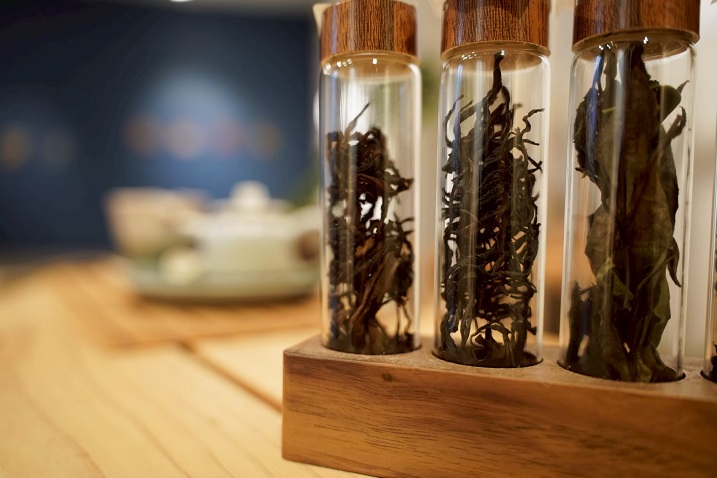
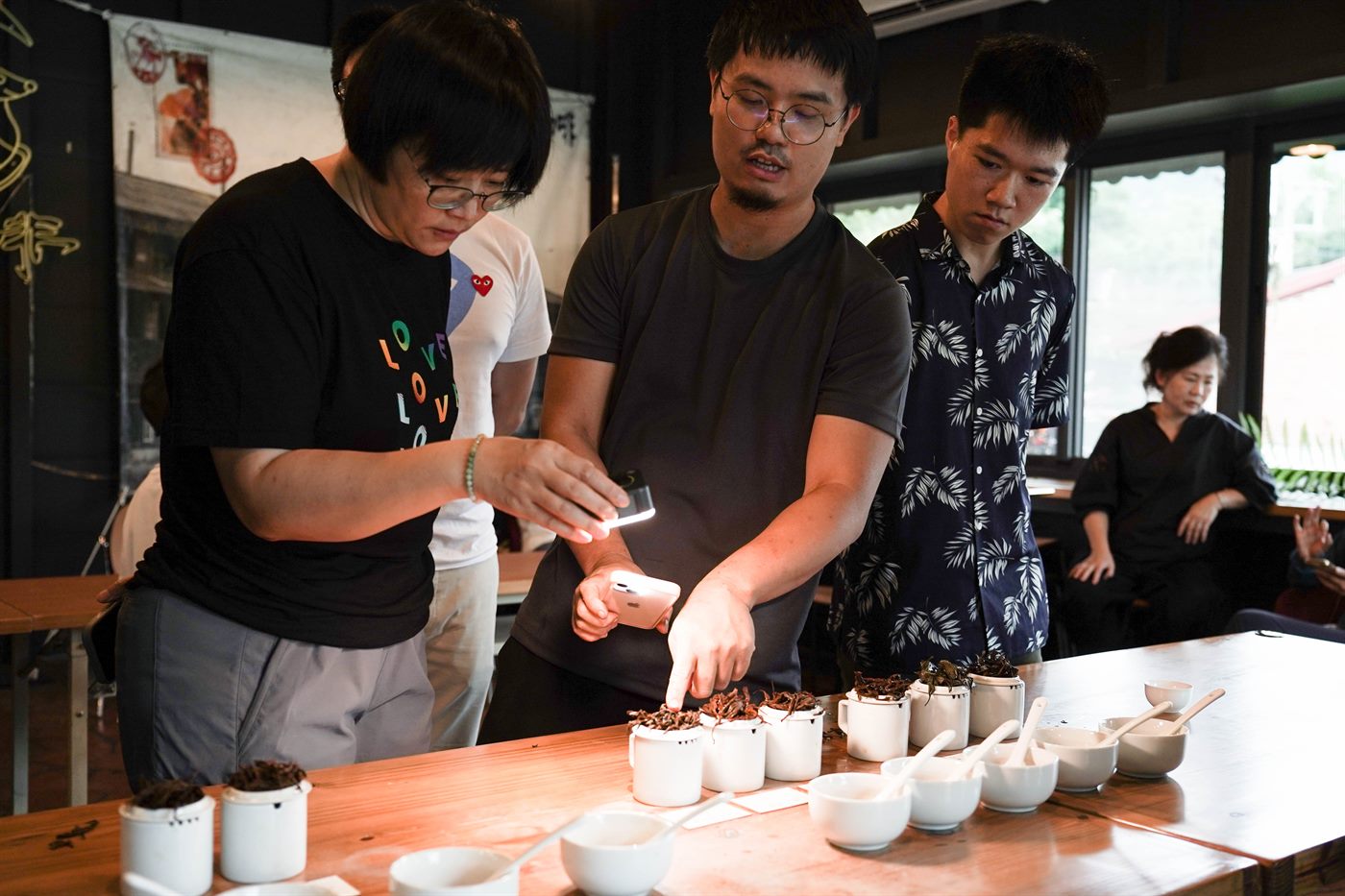
Through the evaluation of black and white teas, get to know the environment, cultivars, processing and weather of Lugao and Sun Moon Lake — sitting face to face with local farmers and tea makers.
If the evaluation leads to a purchase, you're welcome to talk to the farmers directly, or come back to us.


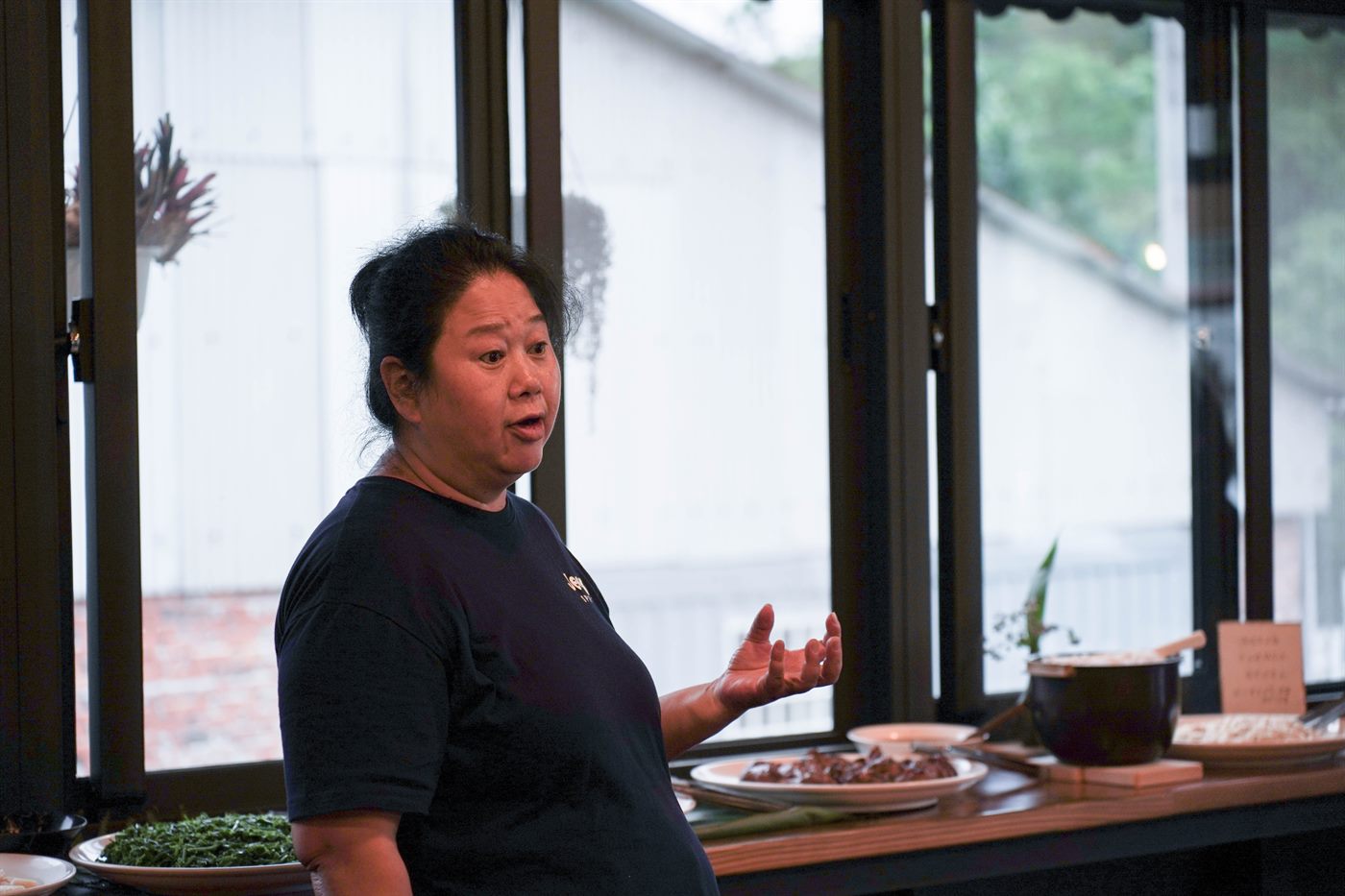
Built around Lugao tea and the crops of the Sun Moon Lake area, a chef from the area or nearby designs and cooks a table — carrying the taste of the place over into food.
What you noticed during the day's tasting comes back in another form over the meal, translated into the language of cooking.
It can be an afternoon tea or a dinner; it can follow an origin exchange, or stand on its own.